Essential Guide to Choosing the Perfect Sports Shoes
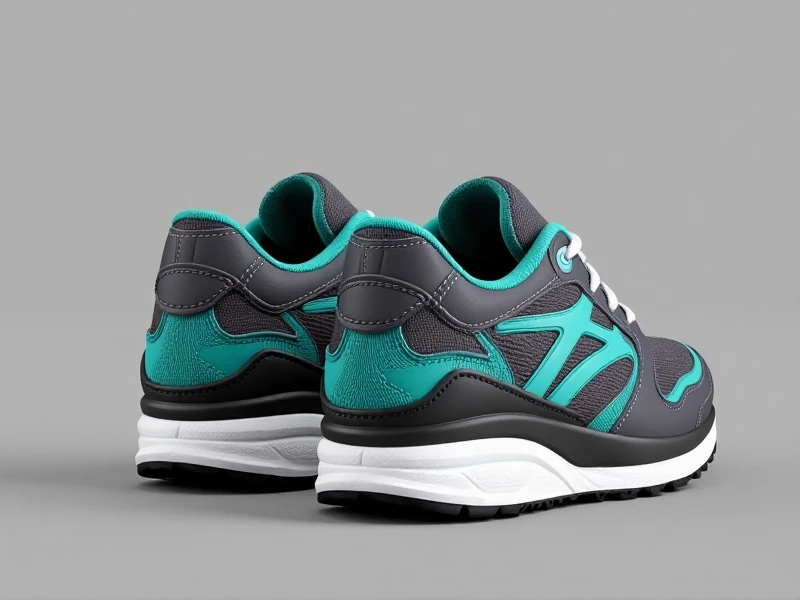
Finding the right sports shoes isn't just about style; it's fundamental for performance, comfort, and injury prevention. Whether you're pounding the pavement, lifting weights, hitting the basketball court, or enjoying a casual walk, the correct footwear makes a significant difference. Let’s explore the key factors to consider.
1. Identify Your Primary Activity The most crucial step is matching the shoe to your sport or exercise. Each activity places unique demands on your feet:
- Running: Requires shoes with superior cushioning (especially heel and forefoot) and forward-motion stability. Look for specific "running shoes" designed for road, trail, or track.
- Cross-Training/Gym Work: Choose versatile "training shoes" or "cross-trainers" that offer stability for lateral movements, support for weightlifting, and cushioning for jumping. These are excellent all-rounders for varied workouts.
- Court Sports (Basketball, Tennis, Volleyball): You need shoes with exceptional ankle support, strong lateral stability to handle quick side-to-side cuts, and durable outsoles designed for indoor or specific court surfaces. Basketball shoes are typically high-top for maximum support.
- Walking/Hiking: Focus on comfort, support, and often, waterproofing or trail grip for hiking boots or trail runners. Walking shoes usually have flexible soles and good arch support.
- Specialized Activities: Soccer cleats, track spikes, cycling shoes – these have highly specific designs for their respective sports. Prioritize sport-specific sports shoes.
2. Understand Your Foot Type and Gait How your foot moves (pronation) significantly impacts which shoe will offer the best support and prevent overuse injuries:
- Neutral Pronation: Your foot rolls inward slightly upon landing, distributing impact evenly. Most sports shoes cater to neutral feet.
- Overpronation: Your foot rolls inward excessively. Look for "stability" or "motion control" running shoes designed with firmer medial (inner) support to counteract the roll.
- Underpronation (Supination): Your foot rolls outward. Choose shoes with ample cushioning and flexibility to encourage natural movement.
Many specialist running stores offer gait analysis to help you determine this.
3. Prioritize Fit and Comfort A perfect fit is non-negotiable for sports shoes:
- Size Up: Your feet typically swell during exercise. Ensure there's about a thumbnail's width (roughly 1/2 inch) of space between your longest toe and the end of the shoe.
- Width Matters: Shoes should feel snug but not tight across the widest part of your foot. Many brands offer different width options.
- Heel Lock: Your heel should sit firmly without slipping.
- Try Before You Buy: Always try shoes on in the afternoon (when feet are largest) and wear the type of athletic socks you'll exercise in.
- Break Them In: Wear new sports shoes for shorter sessions initially to allow them to mold to your feet and ensure comfort.
4. Don't Overlook Durability and When to Replace Quality sports shoes are an investment. Pay attention to the materials' durability, especially the outsole rubber. As a general guideline, replace running shoes every 300-500 miles, and other sports shoes every 6-12 months with regular use, or sooner if you notice significant wear on the sole or midsole, or feel noticeably less support or cushioning.
Investing time in choosing the right sports shoes pays off in enhanced performance, greater enjoyment, and significantly reduced risk of foot or ankle pain. Know your activity, understand your feet, prioritize fit, and replace them regularly to keep moving comfortably and confidently. Your feet (and your workout performance) will thank you!