The Ultimate Guide to Choosing the Best Running Shoes
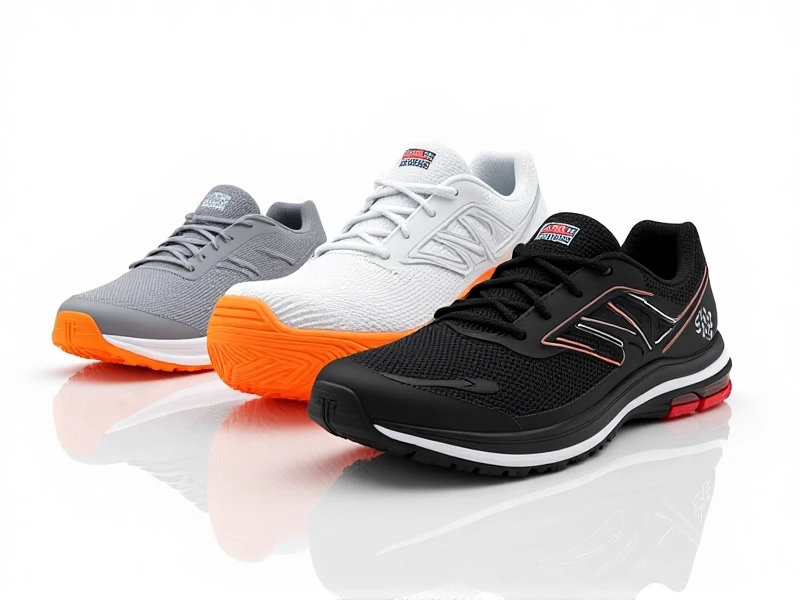
Finding the perfect pair of running shoes isn't just about style; it’s about unlocking comfort, preventing injury, and enhancing your performance. The sheer volume of options can be overwhelming when you start searching for your ideal running shoes. This guide simplifies the process, helping you make an informed decision.
Why the Right Running Shoes Matter
Every foot strike creates impact forces that travel through your feet and legs. Properly fitted, supportive running shoes act as shock absorbers. They provide stability, cushioning where needed, and traction to propel you forward efficiently. Wearing incorrect or worn-out shoes increases the risk of blisters, shin splints, plantar fasciitis, and knee pain. Your shoes are foundational to your running health.
Anatomy of Running Shoes
Understanding the components helps you choose wisely:
- Upper: Provides breathability, support, and a secure fit. Options include mesh or engineered knit for lightness.
- Midsole: The heart of the shoe, providing cushioning and responsiveness. Materials like EVA foam or newer compounds (Pebax, TPU) offer varying levels of softness and bounce.
- Outsole: The durable rubber layer touching the ground, crucial for grip. Patterns (lugs) vary for road, trail, or track.
- Heel Counter: The stiff cup around the heel, offering stability and preventing excessive movement.
- Arch Support (Insole/Footbed): Essential for pronation control, especially for flat feet or high arches.
Choosing Your Perfect Running Shoes
The selection strategy involves several key factors:
- Pronation: Know your foot’s natural roll inward upon landing. Visit a specialty running store for a gait analysis. Options are Neutral, Stability (mild correction), or Motion Control (significant support) shoes.
- Foot Shape: Feet have unique widths and arches. Ensure a snug heel fit, adequate width across the forefoot, and no pressure points. Brands like Brooks and Altra offer varying foot-shaped lasts.
- Running Terrain:
- Road: Prioritize lightweight cushioning and quick transitions; minimal tread.
- Trail: Look for aggressive lugs, rock plates for protection, and enhanced stability for uneven terrain; often water-resistant.
- Track: Very lightweight, spiked (or spike-ready) for maximum grip and speed.
- Cushioning Level & Feel: Preferences vary. Do you prefer plush, maximal cushioning, a balanced feel, or a firmer, more responsive ground sensation?
- Drop (Heel-to-Toe Offset): Measured in millimeters, this affects heel strike impact and Achilles/calf tension. Common drops are 0mm (zero-drop), 4-8mm (popular), and 10-12mm.
The Importance of Fit
Never underestimate a professional fitting! Your feet swell during a run; try shoes on later in the day with your preferred running socks. Ensure ample space (about a thumbnail’s width) between your longest toe and the shoe end. Walk and jog around the store to feel for hotspots. A proper fit feels secure without pinch points.
Caring for Your Running Shoes
Maximize lifespan and performance:
- Replace Regularly: Most running shoes last 300-500 miles. Signs of wear include compressed cushioning, worn-out treads, or feeling less supportive.
- Rotate: If possible, alternate between two pairs to let each recover between runs.
- Clean: Avoid machine washing/drying; spot clean with a damp cloth and mild soap.
- Dry: Air dry away from direct heat; remove insoles.
Investing time in selecting the best running shoes protects your body and elevates your enjoyment. Visit a reputable running store, discuss your routine and goals, and experience different options. The perfect shoe awaits – take the first step towards more comfortable, powerful miles.