Choosing the Perfect Sports Shoes: Performance and Comfort Combined
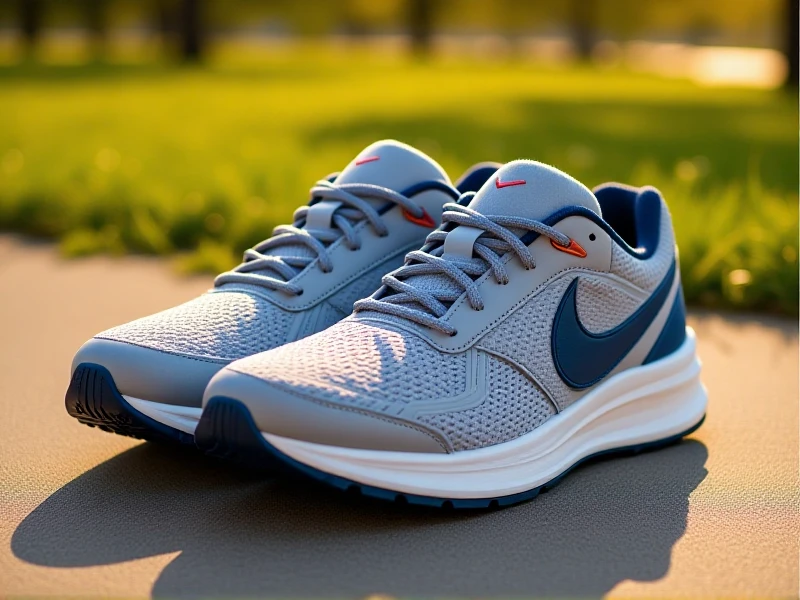
Finding the ideal sports shoes is crucial for peak performance and injury prevention, regardless of your activity level. The right pair provides essential support, cushioning, and responsiveness, making your workout more effective and enjoyable. Understandably, navigating the vast selection can feel overwhelming.
When selecting sports shoes, your primary activity is the key starting point. Running demands different features than court sports or cross-training:
- Running Shoes: Prioritize cushioning to absorb repeated impact.
- Basketball/Volleyball/Court Shoes: Focus on ankle support, stability for lateral movements, and durable tread.
- Cross-Training Shoes: Offer balanced cushioning, support for multi-directional movement, and versatility.
- Walking/Training Shoes: Emphasize comfort, cushioning, flexibility, and moderate support.
Beyond the sport, understanding your foot type is vital:
- Flat Arches (Overpronation): Require stability or motion control sports shoes with firmer medial support.
- High Arches (Underpronation/Supination): Benefit from neutral-cushioned athletic footwear designed for shock absorption.
- Neutral Arches: Can usually wear most neutral sports shoes effectively.
- Many retailers offer gait analysis to determine your pronation pattern.
Key features to evaluate:
- Cushioning: Heel-to-toe transition shock absorption. Amount depends on activity and preference.
- Support & Stability: Crucial for pronation control, especially in court footwear. Look for reinforced midsoles and supportive heel counters.
- Fit: Toes need wiggle room (about a thumbnail’s width). Heels should be snug, secure, not slip. Try shoes on with the socks you’ll wear.
- Breathability: Mesh uppers promote air circulation, keeping feet cool.
- Traction: Outsole patterns must suit your surfaces (court, trail, track, pavement). Deep, multi-directional lugs or grippy rubber compounds enhance grip.
Remember to replace your sports shoes every 300-500 miles or when you notice significant wear on the outsole or midsole collapse. Worn-out athletic footwear loses crucial support and cushioning, increasing injury risk. Clean shoes regularly to maintain materials and use proper shoe trees for shape. Invest time in choosing well-fitting, technically appropriate sports shoes – your feet, performance, and long-term comfort depend on it.