Unlock Your Best Run: The Ultimate Guide to Finding Perfect Running Shoes
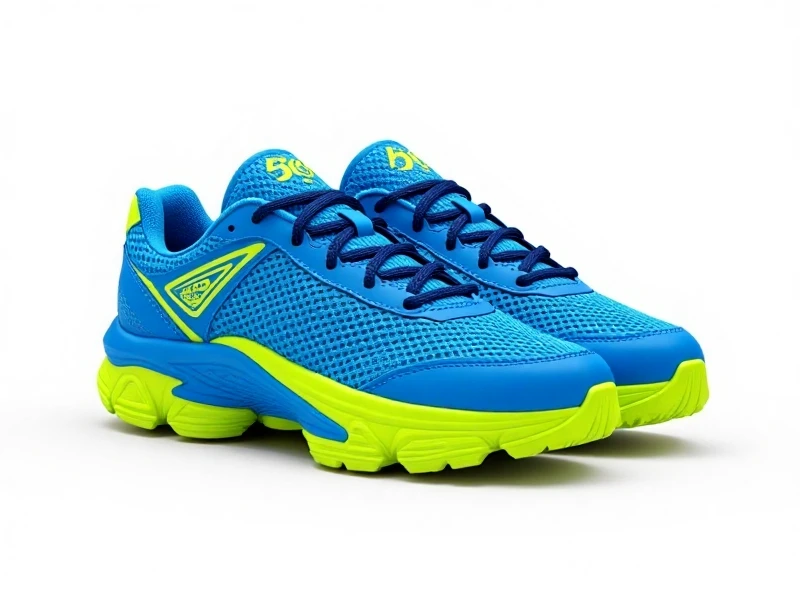
Every stride starts with your foundation: the right running shoes. Whether you're a seasoned marathoner clocking serious mileage or a weekend warrior hitting the pavement, choosing the optimal footwear is critical for performance, comfort, and injury prevention. Forget discomfort, blisters, or nagging pains – investing in the correct running shoes for your unique needs can transform your running experience.
Understanding Your Feet & Gait: The journey begins with self-knowledge. Do you overpronate (your foot rolls inward excessively), underpronate (rolls outward), or have a neutral stride? This fundamental biomechanics question dictates the required support. Specialty running stores often offer gait analysis, using treadmills and video to pinpoint your movement patterns. Knowing your arch height (low, neutral, high) also influences fit and stability needs.
Decoding Running Shoe Types: Running shoes are engineered for specific needs:
- Neutral Cushioned: Designed for runners with efficient biomechanics and minimal pronation. These prioritize plush cushioning and flexibility, like the Brooks Ghost or Nike Pegasus.
- Stability: Tailored for mild to moderate overpronators. They incorporate features like medial posts or structured cushioning (e.g., firmer foam on the inner side) to guide the foot and prevent inward roll, such as the ASICS GT-2000 or Saucony Guide.
- Motion Control: Built for severe overpronators with lower arches, offering maximum support, rigidity, and heel control, seen in models like the Brooks Beast or ASICS Gel-Kayano.
- Trail Shoes: Feature aggressive outsoles for rugged terrain, enhanced rock protection, and often waterproof membranes (e.g., Saucony Peregrine, Hoka Speedgoat).
- Racing Flats & Super Shoes: Ultra-lightweight options for speedwork and race day. "Super Shoes" incorporate carbon fiber plates and responsive foam compounds for elite performance like the Nike Vaporfly.
Beyond Support: Key Considerations
- Cushioning: From minimalist to maximalist padding, choose based on distance preference, weight, impact sensitivity, and surface. Responsive foams like Adidas' Lightstrike Pro or Puma's Nitro offer energy return.
- Fit is Paramount: Always measure your feet later in the day when they are slightly swollen. Ensure ample space (about a thumbnail's width) in front of your longest toe. Heel slip is a deal-breaker.
- Weight: Lighter shoes generally aid speed but may sacrifice cushioning for heavy runners or long distances.
- Durability & Mileage: Most running shoes lose significant cushioning between 300-500 miles. Track your distance.
The Latest Trends:
- Sustainability: Major brands offer shoes using recycled materials (e.g., recycled polyester uppers, rubber outsoles).
- Wider Fit Options: More brands are catering to runners needing extra room in the toebox or midfoot.
Finding Your Perfect Running Shoes:
- Know your foot and gait. Get analyzed if possible.
- Determine your primary running surface and distance.
- Set a realistic budget but prioritize quality.
- Try several pairs, ideally in-store, walk and jog. Bring your running socks.
- Focus on immediate comfort – avoid "break-in" promises.
- Replace shoes regularly based on wear and mileage.
The right running shoes are your ultimate training partners. They cushion every impact, support your stride, and propel you towards your goals. Taking the time to find your perfect match isn't just about comfort; it's about staying resilient, enjoying your run, and unlocking your true potential, mile after mile.